If your skin has suddenly changed – reacting to products that used to be fine, or feeling tight, stingy or more sensitive than usual – that’s often your first clue your skin barrier needs support. The good news? In most cases, a damaged skin barrier is simple to fix and often comes down to doing less…not more.
What is the skin barrier, really?
The skin barrier is the outermost layer of your skin (the stratum corneum) and is only one of several layers that make up your skin’s structure. This layer is your body’s first line of defence against damage from environmental factors.
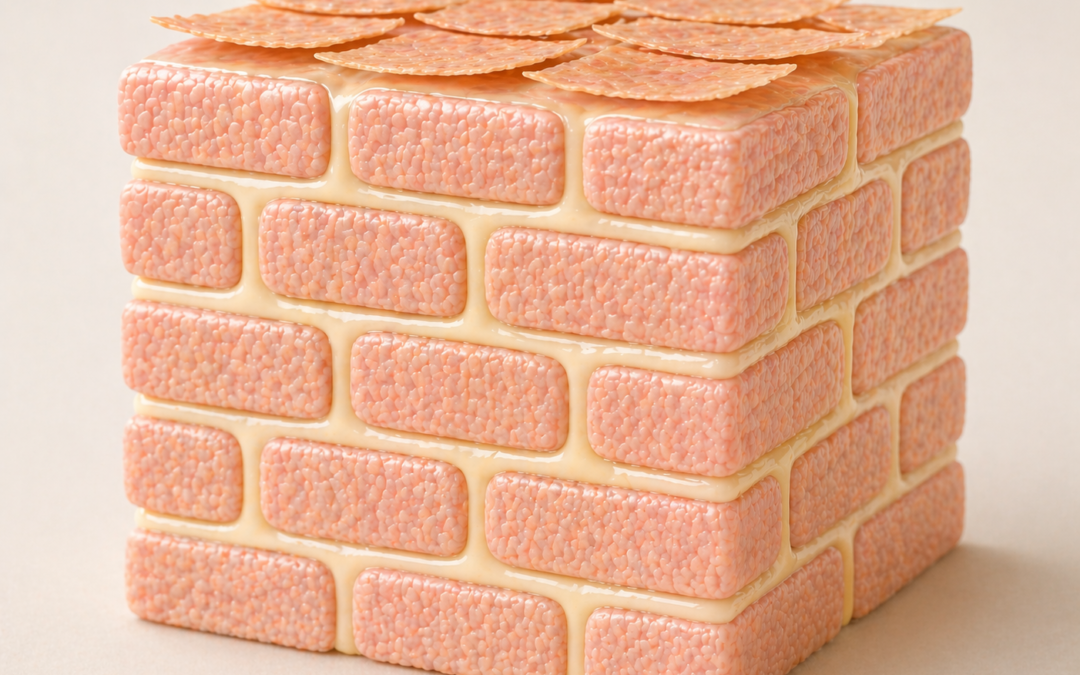
It’s often described as a “brick and mortar” structure: the bricks are your skin cells and the mortar is a mix of lipids (ceramides, cholesterol and fatty acids) that hold everything together. When this structure is intact, your skin feels smooth and hydrated. When it’s disrupted, moisture escapes and irritants get in, leading to sensitivity and dryness. Some parts of our body are more delicate than others (e.g. facial or underarm skin) so require a little more caution with products.
Damaged skin barrier signs to look for
Many people don’t realise they have a damaged skin barrier until they see symptoms. I was in my early twenties the first time I experienced this for myself. My whole face was red and felt hot after using a new facewash and scrub. My skin did recover, but I’ve had to be more mindful about what I use on my face ever since.
Common signs include:
- Tightness after washing: Skin feels unusually tight or “stripped” after cleansing. This often means the cleaning agents (surfactants) in your cleanser are too effective.
- Stinging or burning with products: If moisturisers, serums or cleansers that used to feel fine now sting or burn, it’s often because ingredients are penetrating deeper than before. A healthy skin barrier would normally buffer these effects.
- Redness or itching: Easily irritated skin (anything from slight redness to feeling itchy) that doesn’t heal is a sign of skin sensitivity. It’s important to note that occasional itching could be allergies, so if you suspect an allergic rash, see a professional.
- Flaking or rough patches: Dry flakes or scaly patches can appear when moisture escapes and old skin cells aren’t shed smoothly. As with rashes, it’s worth seeking advice from a professional to diagnose the issue fully and rule out chronic skin conditions that might need treatment.
- Sudden sensitivity to things that were fine: This often shows up with products containing active botanicals, fragrance or alcohol.
- Breakouts or inflammation (sometimes): A damaged barrier can trigger inflammation or acne-like symptoms, as irritants and bacteria penetrate more easily. If acne is your main issue, see your GP or dermatologist.
If some of these symptoms sound familiar, your skin is likely showing reactivity to one or more products.
What causes a damaged skin barrier?
Several everyday factors can play a part in irritating your skin. The most likely culprits are:
- Harsh cleansing/surfactants: Common cleansers (foam washes, soap bars or shampoos) contain detergents that strip oils. Even “gentle” ones can disrupt skin proteins and lipids, causing tightness and dryness.
- Over-exfoliation: If you’ve been exfoliating frequently and your skin feels irritated, it’s a sign to pause this step to allow your skin barrier time to recover. A good guide is once or twice a week once your skin has healed.
- Fragrance/essential oils: These are natural but not always kind to sensitive skin. When your skin is struggling, even mild actives or fragrance can be hard for your skin to handle.
- Weather & environment: Cold, dry air (winter winds or indoor heating), hot water, chlorinated water or air conditioning pull moisture out faster than damaged skin can retain it. It can be helpful to note what tends to trigger flare-ups for you.
- Skipping moisturiser: Under-moisturising (or using only hydrating toner with no occlusive agents) leaves skin vulnerable to losing moisture. Moisturisers are protective and essential, especially when the skin barrier is weakened.
- Too many products: If your routine has a dozen steps, each product carries potential irritants – even “natural” ones.
How to repair the skin barrier: A simple barrier reset plan
When the skin barrier is damaged, the goal is repair it and give your skin time to regenerate. Think of it as a “time-out”. Try these tips for two weeks and extend it by a week or two if needed.
- Pause all exfoliating masks and scrubs. No exfoliants, scrubs or peels – these keep your skin in a state of stress.
- Avoid strong actives (like retinoids, exfoliating acids, and high-strength vitamin C). These are great additions to skincare but can feel too much while your skin is recovering.
- Cleanse gently. Use plain water or no rinse cleanser (like micellar water) in the morning. In the evening, use creamy, milder formulas. A great option is oil-to-milk cleansers which are oil based but emulsify slightly on contact with water. They remove makeup and other debris without stripping the skin. If you feel you need a foaming cleanser, choose one with milder surfactants like Sodium Cocoyl Isethionate. You can read more about Natural Surfactants in the blog.
- Turn down the temperature. Long, hot showers can contribute to water loss so stick to lukewarm water for now.
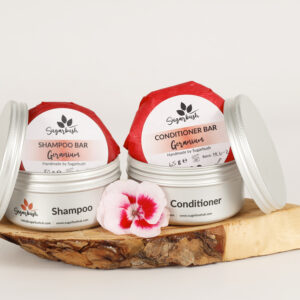
- Moisturise smartly (and promptly). After cleansing, while skin is still slightly damp, apply a simple cream or balm. If you’re using an oil-to-milk cleanser, you can even leave the oily residue on to act as a moisturiser. The goal here is to keep moisture in the skin. Ingredients like glycerine draw water into the skin, while oils and butters help lock it in. Ideally, look for a product with both but if in doubt, a simple balm or moisturiser is enough. If you use lotion bars (like Sugarbush’s), just be mindful of fragrance or essential oils while your skin is sensitive. You can reintroduce these later.
- Until your skin calms, go fragrance-free. Even natural fragrance from essential oils can sting, especially when your skin is already sensitive. Cutting them out is not permanent; you’re only pausing them while your skin recovers. Our guide on Essential Oils gives a simple overview of using these potent ingredients.
- Protect and nourish. Continue any gentle sunscreen if you were already using one. Barrier damage doesn’t stop UV, but if sunscreen stings, consider a mineral SPF for now. At night, reapply your moisturising balm generously.
- Reduce the number of products you’re using. Stick to essential products only to avoid overloading the skin and give your skin space to recover.
When to see a doctor or specialist: If your skin is severely cracked, bleeding, swollen, or you suspect infection (excess oozing/pus), see your GP or dermatologist. Also seek help if symptoms worsen despite this routine. Allergic reactions, eczema or psoriasis need medical advice.
Ingredients that support barrier repair
So, you’ve done a reset, your skin is feeling great but now you want to use ingredients that will support your skin’s long-term health. When shopping for skin-supporting ingredients, look for:
- Ceramides, cholesterol & fatty acids: These are the natural lipids in our skin. Studies show using moisturisers with all three can markedly improve hydration and prevent water loss. While most cosmetics don’t contain all of them in the perfect 3:1:1 ratio our skin uses, products with even one help. Ceramides can be expensive, so more affordable options like shea butter or cocoa butter (rich in fatty acids) can also support the skin barrier. Argan or grapeseed oil contain Omega-6 which helps reduce inflammation.
- Glycerine or panthenol: These are humectants that gently draw moisture into the skin. Even a plain glycerine or panthenol serum under your moisturiser can boost hydration if your barrier is healing.
- Soothing extracts: Not magical cures, but ingredients like colloidal oats (coats the skin in a protective layer), chamomile (has calming properties), or aloe vera (can help soothe the skin) can reduce irritation and support the skin’s own healing processes. They won’t “repair the barrier” by themselves but can make the process more comfortable.
- Lightweight oils: After initial healing, gentle oils (jojoba, sunflower, rosehip and squalane) can supplement skin lipids. Just remember, even a natural oil can be too rich for some – patch test before rubbing it all over.
Your skin barrier can and will recover if you give it the right environment. Focus on what to do (gentle routine, consistent moisturising) rather than what’s wrong with your skin. Strip your routine back, give your skin time and focus on gentle, supportive care. When your skin is healed, shop the Sugarbush range.
The Sugarbush way: calmer, simpler skincare.
At Sugarbush, we believe healthy skin comes from simplicity. That’s why our ingredient lists are short and purposeful, reducing the chances of irritation while still delivering results. Our products are designed to support the skin, not overwhelm it.
Frequently Asked Question’s
What are the most common signs of a damaged skin barrier? Look for widespread tightness, stinging or redness across your face or body after normal routines. You may see flaky patches or feel itchy. (If it’s just one spot, consider contact dermatitis.) Essentially, if your skin has become very reactive to products or weather, that’s a damaged barrier.
Why does my skin feel tight after washing? Many cleansers remove too many of the natural oils that “glue” the skin together. If your barrier is weakened, even mild cleansing strips essential moisture. This makes skin feel tight, flaky or rough. Switch to a soap-free, gentle formula and lukewarm water to avoid this.
How long does it take for the skin barrier to recover? It varies by how badly the barrier was damaged and your skin’s natural repair rate. In lab studies, after moderate detergent damage, skin water loss can normalize significantly over 14 days with proper moisturisation. In real life, mild barriers often feel better in about a week; deeper damage might need 2–4 weeks of consistent care. Patience is important: your skin cells renew every ~28 days and your lipid matrix slowly rebuilds. Keep the routine gentle and you should see steady improvement.
How do I tell if it’s a damaged barrier or an allergy? A damaged barrier usually causes more generalised sensitivity (tightness, flaking, etc.) to many things. An allergy or contact dermatitis is often more localized (one patch of rash) and may appear days after exposure. If only one new product or ingredient causes redness, it might be an allergy. However, if everything suddenly irritates your whole face, it’s likely the barrier.
Can my skincare products fix the barrier? No product instantly fixes it. Look instead for very simple products that lock in moisture (like bland creams or balms with ceramides or waxes). In healing mode, even a drop of plain glycerine followed by a rich balm can help. Avoid products with acids, scrubs or heavy fragrances.
Are essential oils safe if my skin is irritated? Not until the irritation is gone. Essential oils are potent plant extracts and even diluted ones can sting or cause allergic reactions on weak skin. Once your skin is calm, you can reintroduce products with fragrance one by one, patch-testing carefully.
Should I change my routine permanently? Only if your current routine is genuinely too harsh. The goal is not to abandon all actives forever, but to use them less aggressively. For example, if you were using a daily scrub, maybe switch to once weekly. Use fragrance-free products when possible. The simplest effective routine is usually best for sensitive skin.