How to Calm Facial Redness Naturally
How to calm facial redness naturally is one of the most common questions I get asked at markets over summer. Sun, heat and even a hot shower can leave skin blotchy and tight and the instinct is usually to reach for something ‘active’ straight away.
Redness like this is usually your skin’s blood vessels dilating closer to the surface, in response to heat, UV, friction or a product that’s more than your skin can currently handle. It’s not automatically a sign of a skin condition. Most of the time, it’s just skin doing exactly what it’s built to do when it’s overheated or irritated.
What’s Causing Facial Redness?
A few things tend to be behind summer redness and they usually stack on top of each other rather than happening on their own:
- Heat, direct sun, hot showers, warm weather, exercise, all dilate blood vessels closer to the skin’s surface.
- Friction, rubbing with a towel or over-scrubbing physically irritates skin and can trigger a flush on its own.
- Barrier disruption, over-exfoliating, harsh surfactants or stacking too many actives at once can compromise the skin’s protective barrier, letting moisture out and irritants in more easily. This shows up as redness and sensitivity.
- Fragrance and alcohol in skincare are common irritants that trigger a reaction on skin that’s already sensitised.
If the redness is persistent, painful or comes with visible bumps or stinging that doesn’t settle down, it’s worth a conversation with a pharmacist or GP rather than starting a new skincare routine. This post is about the ordinary, heat-and-sun kind of flush, not a medical condition.
Cool It Down First
Before reaching for any product, the single most useful thing you can do is bring the skin’s temperature down. Warmth keeps blood vessels dilated, so cooling the skin is what starts calming the redness, not whatever you apply on top of it.
- A clean, damp cloth held against the skin for a few minutes
- A cooled, used chamomile tea bag pressed gently against the area – a useful (and cheap!) trick
- Aloe gel kept in the fridge, so it’s cold when it touches skin – my personal favourite.
- Cooler water for washing your face for a few days, rather than hot
Avoid putting ice directly onto skin. It’s tempting when your face feels like it’s on fire, but ice against bare skin can cause its own kind of damage. Wrap it in a cloth first or stick to the cold-but-not-freezing options above.
Calm Facial Redness Naturally: What Ingredients Can Help
Once the initial heat has come down, a few natural ingredients have a reasonable case behind them for calming reactive skin further.
Chamomile and Calendula
Chamomile is one of the better-studied calming ingredients. A 2025 systematic review and meta-analysis of chamomile in randomised clinical trials found it reduced pain and mucosal inflammation. But, most of that evidence comes from oral and mucosal tissue trials rather than facial skin specifically. That’s not the same as a clinical trial on facial redness. The anti-inflammatory compounds behind the effect, mainly bisabolol and chamazulene, are the same ones present when chamomile is used topically on skin. As a skincare ingredient, chamomile is often used in calming formulations. You can read more about it in skincare here. Calendula has a similar traditional reputation for calming irritated, inflamed skin, though with less clinical trial evidence behind it specifically.
Aloe and Cooling Masks
Aloe vera’s reputation for calming skin is partly earned and partly overstated. It won’t undo sun damage and several studies have found aloe no more effective than a placebo for healing sunburn. Where the evidence is more convincing is redness itself. A small study using a 97.5% aloe vera gel found it reduced skin redness caused by UV exposure. Combined with the fact that a chilled gel also feels better on hot, tight skin, it’s a useful thing to keep in the fridge for exactly this situation. If you have an aloe plant, you can simply strip a leaf and blend the inside to create a gel or, you can buy it from The Soapery in small quantities.
A Gentler Option for Sensitive, Redness-Prone Skin
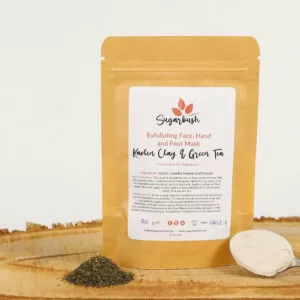
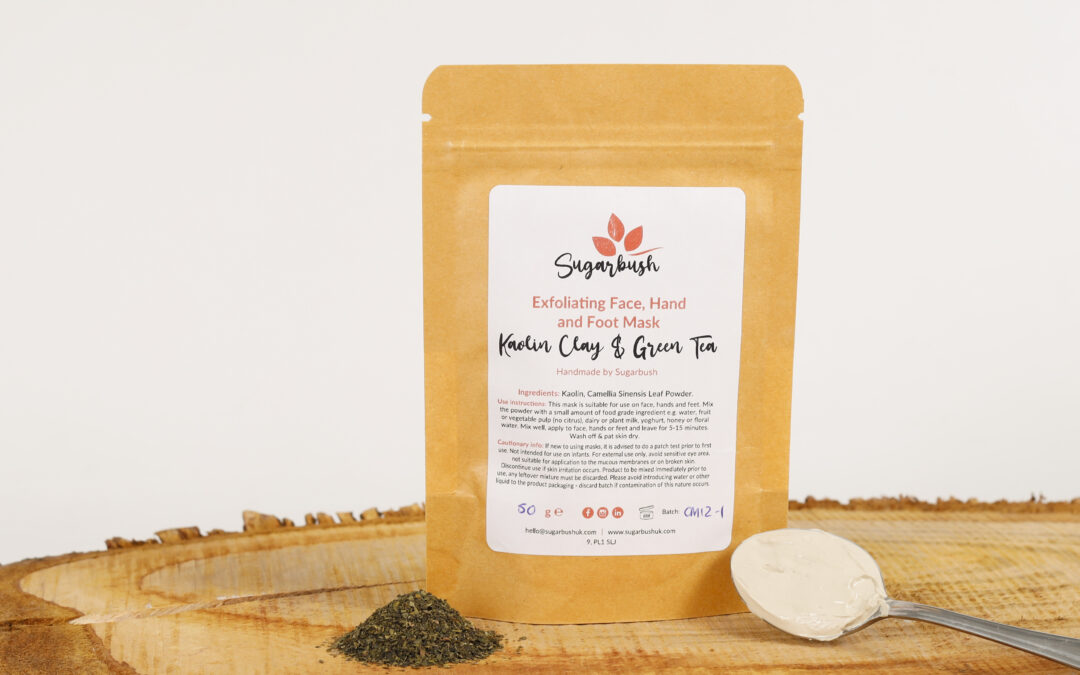
If you want something a bit more targeted than a cold compress, the mildest clays are worth a look. Kaolin is the gentlest of the clays and well tolerated by sensitive skin. Green tea has a genuine antioxidant and calming reputation alongside it. My Kaolin & Green Tea mask can be mixed with a little cold water, chilled aloe gel, plain yoghurt or milk straight from the fridge or a cooled hydrosol. This turns it into a proper cooling treatment rather than just a mask. Leave it on for five to ten minutes, not until it’s bone dry, and rinse off with cool water.
What to Avoid Doing
- Scrubbing or physically exfoliating skin that’s already inflamed – gently wash the mask away without scrubbing
- Introducing several new products at once, so you can’t tell what’s actually helping
- Very hot water on the face, even though it can feel good in the moment
- Heavy, occlusive products before the redness has settled
Where to Start
There’s no single trick to calm facial redness naturally overnight, but cooling the skin down and simplifying what you’re putting on it will get you there faster than any new product will. Start with a cold compress or chilled aloe, drop back to the basics for a few days and only reintroduce actives once things have properly settled.
Formulator’s note: If you’re looking for where lotion bars fit into a routine, since they’re a genuinely good product just not for this, I’ve written about that separately.
Sugarbush lotion bars are formulated for body use because they are richer in butters and oils than facial skin usually wants or needs. A lotion also isn’t the answer on thinner, more reactive skin needing a product to cool the skin down. For the face, something lighter better, which is exactly what a mask activated with cold water, yoghurt or chilled aloe gel gives you what a balm can’t.