Before I trained as a formulator, I became a Marine Biologist. That background is still behind a lot of what does and doesn’t go into a Sugarbush product. It’s a big part of why I think about ocean-friendly skincare differently to how it usually gets marketed.
The microbead research that still shapes how I formulate
In 2015, researchers at the University of Plymouth pulled apart facial scrubs sold on the UK high street and counted the plastic microbeads inside them. A single application of some products released almost 100,000 tiny microbeads. The team estimated that cosmetics containing them were putting up to 80 tonnes of unnecessary microplastic waste into UK seas every year. Most of those beads were small enough to slip straight through wastewater treatment. There was no realistic way to catch them once they’d gone down the drain. That research helped drive the UK’s ban on plastic microbeads in rinse-off cosmetics, which came into force in 2018.
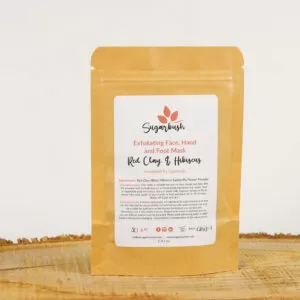
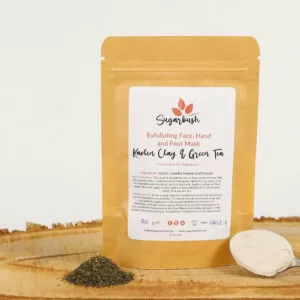
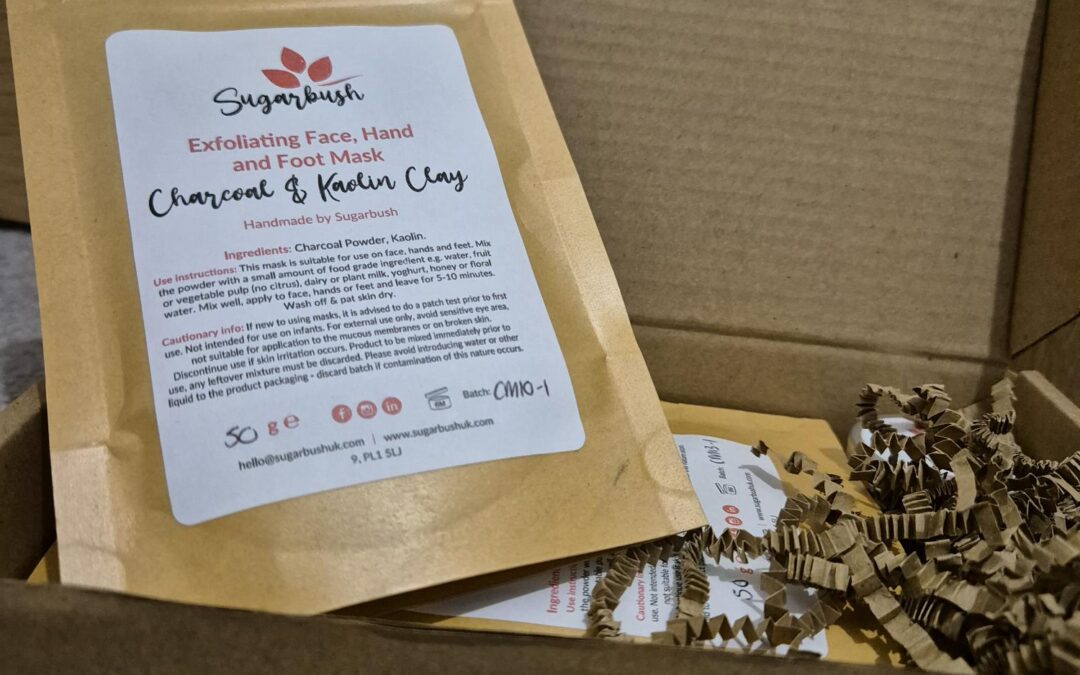
I didn’t work in cosmetics when that study came out but I did have one of the researchers as a lecturer for my degree. I remember learning about the connection between microplastics, food chains and toxins that might adhere to the plastic surface. That same 2015 study tested that directly. They exposed the extracted microbeads to DDT and a related pollutant in seawater. They found the plastic held onto both at levels far higher than in the surrounding water. So, it isn’t only a physical problem. Something further up the food chain that eats the bead gets a concentrated dose of whatever the plastic has picked up along the way. When I later worked at the National Marine Aquarium in Plymouth, a significant part of communication to the public centred (and still does) on ocean literacy and how our actions impact the environment. It’s a huge part of why, when I formulate an exfoliating mask now, the abrasive comes from clay or ground botanicals rather than anything plastic. That’s not a special claim on my part. I just consider it a bit more personally than procedurally, because I know what that research was measuring.
Why I won’t put “ocean-friendly” on a label
“Ocean-friendly” and “reef-safe” show up on cosmetic packaging constantly and there’s very little regulation behind either phrase. No standard body checks what a brand means by it before it goes on a bottle. I’m not going to put ocean-friendly skincare on a Sugarbush label as a claim, because I can’t independently verify what it would be certifying and I don’t think a customer should have to take my word for it on faith either.
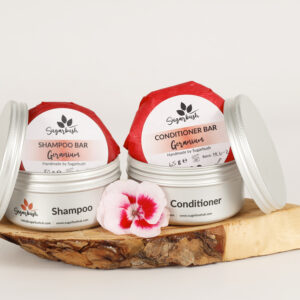
What I can tell you plainly is that I’ll never use plastic microbeads, in anything, ever. My packaging stays minimal and mostly plastic-free. This is an area of Sugarbush that isn’t perfect but it will remain a focus of improvement until it’s as close as I can get it. Ingredient choices are made by me, someone who spent years studying marine ecosystems before cosmetic formulation was even a consideration.
It isn’t only about what’s in the jar
Skincare’s relationship with the ocean isn’t only about ingredients. It’s also about where the jar ends up once it’s empty. Packaging that isn’t designed to be reused or easily recycled has a chance of eventually reaching a waterway, whether through landfill runoff, litter or simply poor end-of-life design that nobody thought through at the point of manufacture. That’s the other half of why I keep Sugarbush packaging simple. It isn’t only a cost decision. It’s the same values doing double duty and it’s the same reason I’ve written separately about building a low-waste skincare routine more broadly.
Why this still matters to me specifically
I named this brand after the Protea, the sugarbush flower. It is a nod to my South African heritage and it’s a plant that is resilient and adaptable. These are qualities that resonate with me personally. Marine biology taught me how interconnected and fragile ecosystems are and how easily they are impacted by our actions.
Ocean-friendly skincare, to me, is a set of principles. Choosing formulas and packaging designed to reduce that impact once they’re washed down the drain or thrown away. None of us can fix an ocean on our own, but every purchase is a small vote for the kind of products we want to see more of. That’s a role we all get to play just by choosing carefully what we buy.