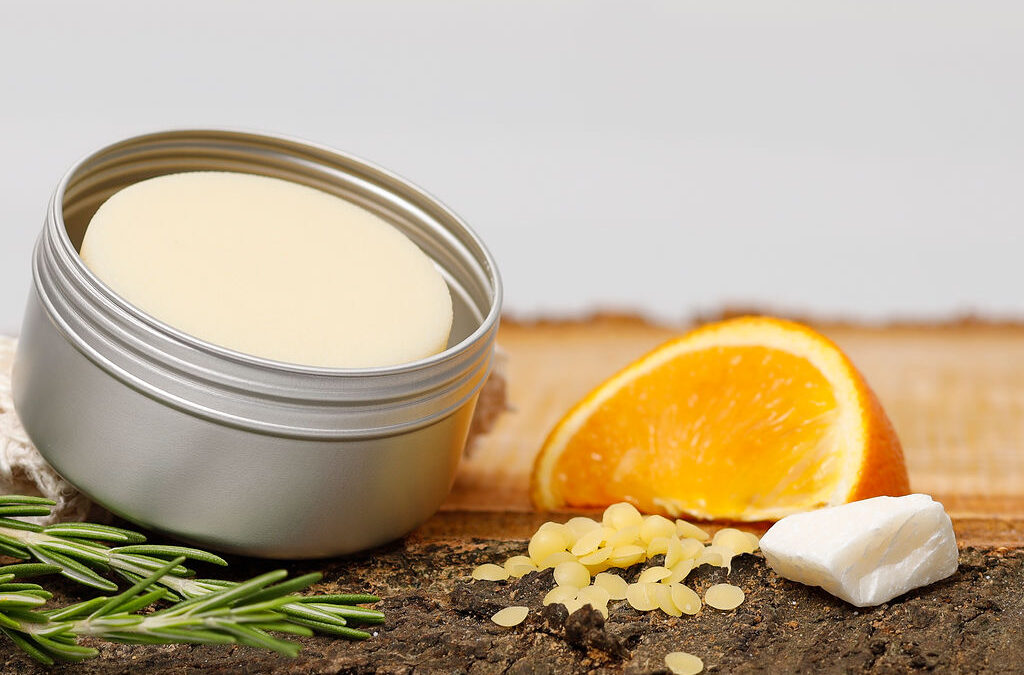
Last week, the UK weather reached new highs and it made for a strange week for skin. Hot enough that my lotion bar needed the fridge, my lip balm became a puddle and I had a few messages from people whose skin has gone a bit haywire…more breakouts, redness and an odd combination of greasy and tight skin at the same time.
None of that is random. Skin in hot weather is doing several things at once and most of your instinctive responses (wash more, switch products, add something new) tend to make things worse rather than better. So here’s what’s actually happening and what to do about it.
Skin in hot weather loses water faster
Transepidermal water loss (TEWL) is the amount of water that evaporates from the skin into the surrounding air. It happens constantly and is a natural process, but warmer weather speeds it up. When temperatures rise, the skin’s surface warms and water escapes more readily through the outer layers.
This is worth knowing because it explains something that confuses a lot of people: skin can look oily in summer and still be dehydrated underneath. The oil you’re seeing is sebum, the skin’s own natural emollient. The dehydration is happening at the level of the stratum corneum, the outermost layer of skin, where water content can drop even when the surface looks shiny.
If your skin feels tight or looks dull this week despite appearing oily, increased TEWL is likely part of what’s going on. I’ve written more about the difference between dry and dehydrated skin if that distinction is new to you – worth a read.
Sebum production increases with temperature
The sebaceous glands, which produce sebum, are sensitive to temperature. In warmer conditions they tend to produce more, which is why skin often feels greasier in summer than in winter.
Sebum isn’t the problem. It’s part of the skin’s acid mantle, a slightly acidic film that sits on the surface and helps protect against bacteria and environmental stress. The issue is that excess sebum, combined with sweat and heat, can contribute to congestion if it mixes with dead skin cells and blocks pores. That’s where the summer breakouts come in.
Our instinct is to strip it out with stronger cleansers but this tends to backfire. Removing too much sebum signals to the glands that they need to produce more, which often results in skin that’s oilier than it was before.
Sweat is doing its job, but it comes with side effects
Sweating is the skin’s primary cooling mechanism. Eccrine glands (the ones all over the body) secrete perspiration, which evaporates from the surface and draws heat away from the skin. In dry heat, this works well. In humid conditions (and my goodness was it humid recently) it works less efficiently because the air is already saturated with moisture, so sweat evaporates more slowly.
The side effects: sweat is slightly acidic, which is fine in small amounts, but prolonged contact with sweat (especially around the hairline, chest, or anywhere fabric sits against skin) can contribute to irritation and breakouts. It also washes away some of the skin’s natural protective film as it evaporates.
Rinsing with plain water after exercise or a particularly warm day is usually enough. Reaching for a foaming cleanser multiple times a day strips more than it needs to.
The barrier lets more through when skin is warm
Heat dilates blood vessels near the skin’s surface, which is partly why skin flushes in warm weather. It also changes the stratum corneum itself.
Research into transdermal drug delivery has found that warming skin to just 40°C for a few hours measurably increases how much of an applied substance passes through it, by loosening the lipid structure that normally holds the barrier tight, as shown in this NIH-published review of heat and skin permeability. That research is about medical drug delivery rather than skincare, but the underlying mechanism, a warmer barrier being more permeable, applies generally.
In practical terms, this means anything applied to hot or flushed skin in warm weather has a better chance of penetrating further than it would in cooler conditions. It doesn’t make every ingredient a problem. But it’s a reasonable argument for being more cautious with anything you know your skin reacts to, including fragrance or active exfoliants, during a heatwave specifically – not because the ingredient has changed, but because the skin taking it in has.
If your skin has flared up this week and you haven’t changed your routine, the weather is a reasonable explanation on its own.
What to actually do to help your skin in hot weather
Most of it comes down to doing less rather than more:
- Cleanse once a day with something gentle, or rinse with plain cool water in the morning. Twice-daily cleansing with a foaming product strips the acid mantle and tends to make both oiliness and sensitivity worse.
- Keep moisturising, even if skin feels oily. A lighter application of something occlusive helps slow TEWL without adding heaviness. A lotion bar used very sparingly on dry patches works well because the warmth of skin in summer means you need even less than usual.
- Cool the skin down where you can. Lukewarm water rather than hot for washing or a cool damp cloth on flushed skin.
- Pause anything active. If you use exfoliants, acids or anything with a strong essential oil content, this is a reasonable week to leave them alone. When the temperatures drop, you can resume these as part of your routine.
- Drink enough water. This sounds obvious, but dehydration shows up in the skin. The stratum corneum relies partly on water intake to maintain its water content alongside the lipid barrier.
If you’ve changed products recently and your skin has reacted, the heat may be amplifying something that would have been fine in cooler conditions. I’d advise giving it a week before drawing any conclusions.
A note on your products in this weather
If you’ve noticed your lotion bar or lip balm has softened this week, I wrote about that separately. The same warm temperatures affecting your skin are affecting the products (especially those made with large volumes of plant oils, butters or waxes) so it’s worth knowing how to store them.
A note from me as the formulator
Most of what I’ve described here comes from basic skin physiology that has been covered early in my formulation training because you can’t make products that work with skin without understanding what skin is actually doing. My training with Formula Botanica gave me a solid grounding in this and it informs every Sugarbush formula. The goal is always to support the skin’s own processes rather than override them. In hot weather, that usually means less interference, not more.