Dry skin vs dehydrated skin is one of the most common mix-ups in skincare and the fix is different for each one.
Using the wrong one can make you feel like nothing works, which is demoralising and expensive. Dry skin is a skin type whereas dehydration is the condition your skin is in. They can look similar from the outside (dull, tight, occasionally flaky) but they have different causes and need different things. And yes, you can have both at once, which is its own particular delight.
Dry Skin
Dry skin as a type means your skin produces less sebum than average. Sebum is your skin’s own oil and it plays a key role in maintaining the protective film on the skin’s surface and slowing water loss. Without enough of it, that surface film is thinner than it should be and moisture escapes more readily.
People with dry skin tend to have had it consistently. It’s not something that comes and goes with the seasons or your water intake, though both of those things can make it worse. It often runs in families and tends to become more noticeable with age as sebum production naturally decreases.
What dry skin needs is emollients. Oils, butters and balms (like lotion bars and facial oils) help provide the surface film the sebaceous glands aren’t producing in sufficient amounts.
Dehydrated Skin
Dehydrated skin is a completely different problem. It’s about water, not oil. Specifically, the water content in the upper layers of the skin. Any skin type can be dehydrated, even oily skin. The fact that your T-zone is shiny doesn’t mean your skin has enough water in it.
Dehydration happens when the skin barrier isn’t retaining moisture properly or when external factors (cold air, central heating, air conditioning, alcohol, even certain medications) are pulling water out faster than the skin can hold onto it.
Dehydrated skin often feels tight and looks dull. It can show fine surface lines that disappear when you press gently on the skin. The temporary smoothing is the water in the upper layers redistributing briefly under pressure. If you’ve ever noticed your skin looks bouncy right after a shower and then goes flat again by lunchtime (hello, me in February!), that’s often dehydration.
A Quick Test
The pinch test isn’t perfect, but it’s a reasonable indicator. Pinch a small section of skin on your cheek gently and release it. If it springs back straight away, hydration is probably reasonable. If it takes a moment to return to normal, dehydration may be a factor.
If you have oily skin but your cheeks feel tight and your pores look more visible than usual, your skin may be overproducing oil to compensate for dehydration.
Dry Skin vs Dehydrated Skin: What Each Needs
Dry Skin
Dry skin needs emollients – oils, butters, balms or lotion bars. They are best applied after cleansing while the skin is still slightly warm and damp to lock moisture in. A small amount on damp skin does much more work than a larger amount applied to completely dry skin.
Dehydrated Skin
Dehydrated skin needs humectants first, such as glycerine, hyaluronic acid, aloe vera or sodium lactate. These attract water into the upper skin layers. However, they have to be sealed in with something emollient on top or they’ll pull moisture up from deeper layers and let it evaporate. It’s a step people miss and it’s the reason humectants sometimes seem to make things worse rather than better.
Hydrate first, then seal. The order matters.
If you’re still not sure where you fall on the dry skin vs dehydrated skin spectrum, try the following for two weeks: apply a facial oil after cleansing. It this improves things but your skin skill feels dry, dehydration is the bigger factor rather than dry skin alone. In this case, include a humectant serum after cleansing before applying a balm or facial oil.
What Doesn’t Help
Drinking more water is frequently suggested as the solution for dehydrated skin. It supports general health, but the relationship between water intake and skin hydration is less direct than that advice implies. Water doesn’t travel neatly from your glass to your stratum corneum.
Equally, applying a rich cream to dehydrated skin can feel like it should help and it may make things feel more comfortable temporarily. But topical products that target water retention work better to fix the issue.
In Practice
Before reaching for another moisturiser, it’s worth spending a week just observing your skin and ask yourself: Does it feel tight immediately after cleansing, or after a few hours have passed? Does it feel different in different areas? Is it consistently dry or does it fluctuate? Those patterns usually point toward whether the issue is oil, water or both.
The British Skin Foundation has clear, accessible information on skin types and conditions if you want an independent reference point.
How Sugarbush fits in
I build the Sugarbush range on the principles of understanding what the skin needs before reaching for another product.
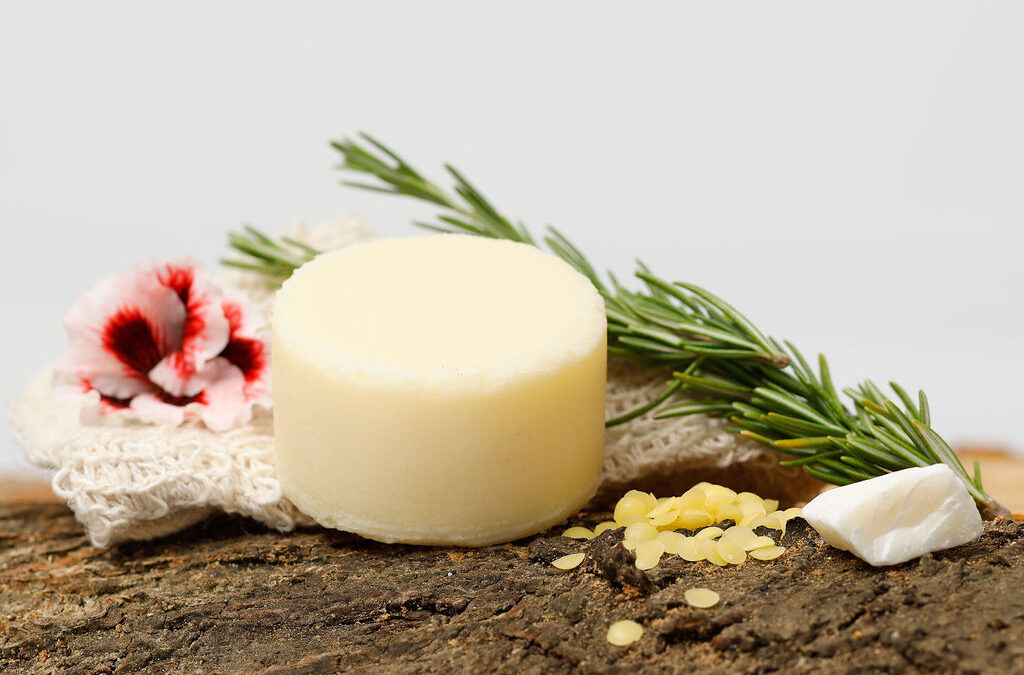
If you’ve worked out your skin issue is dryness rather than dehydration, our lotion bars are emollient-rich with a combination of Shea Butter, Cocoa Butter, Jojoba Oil and Beeswax to create an occlusive layer on the skin. Their purpose is to support the skin when it isn’t producing enough of its own oils. They’re formulated for the body so if you’re looking for a facial product, try making your own facial oil.
If it’s dehydration, look for serums that have humectants as described above. These are products we currently don’t make at Sugarbush…but several products are planned so keep an eye on the shop!
Got questions? Get in touch and I’ll help as best I can.
Explore More
What Causes Dry Facial Skin and How to Fix It
How to Create a Simple Natural Skincare Routine
Damaged Skin Barrier Signs: How to tell and repair it simply